+31 (0)43 30 88 400 | office@comex.eu

Air gap backup and immutable backup against ransomware
Ransomware doesn’t just target production environments. Backups are also a target. If attackers can delete, encrypt, or modify backups, recovery becomes difficult and the pressure to pay a ransom increases.
An air gap backup and immutable backup help to keep a recoverable copy available. Not as a replacement for cybersecurity, but as an extra layer of defense within your backup and recovery strategy.
For organizations, it comes down to one question: does critical data remain recoverable when systems, files, or regular backups are hit?
What is an air gap backup?
An air gap backup is a backup copy that is not continuously accessible from the network. This makes it harder for ransomware to also encrypt, delete, or manipulate this copy.
Air gap can be implemented physically, logically, or automatically. Think of storage media that are automatically disconnected, separate storage environments, or offline copies that remain out of reach of the production environment.
The goal is always the same: to keep a reliable recovery copy that does not face the same risks as active systems.
A backup can help in cases of human error, deleted files, hardware problems, ransomware, or other disruptions. But a backup is only valuable if it is reliable, protected, and recoverable.
That is why you shouldn’t just look at whether backups are being made. You also need to know where they are located, who can access them, how long they are kept, and how quickly they can be restored.

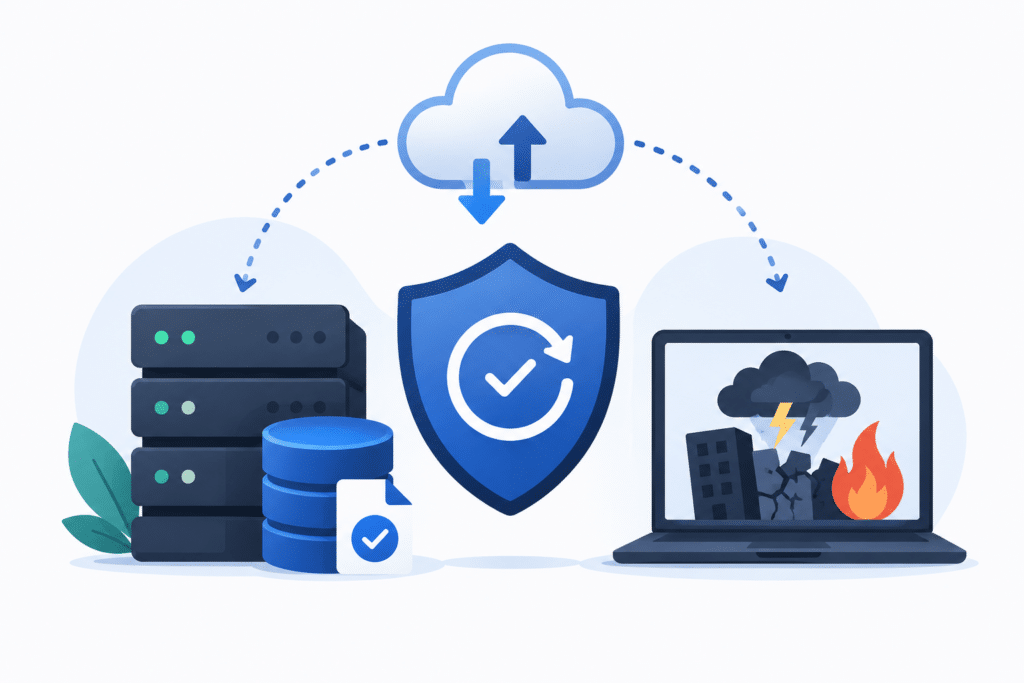
What is an immutable backup?
An immutable backup is a backup that cannot be modified or deleted for a certain period. Immutability protects recovery points against human error, ransomware, and unwanted changes.
This is especially important when attackers try to disable backups first before encrypting production environments. With immutable backup, you reduce the chance of all recovery points disappearing.
Immutability is not a complete replacement for air gap. The combination is stronger. Immutability protects against modification and deletion. Air gap limits accessibility from the network.
Air gap vs immutable backup: what is the difference?
Air gap
Air gap is about separation. The backup copy is not continuously accessible from the network. This makes it harder for ransomware to hit this copy.
Important with air gap:
- Network separation
Offline or disconnected copy - Protection against accessibility
- Last recovery option
Immutable backup
Immutable backup is about unchangeability. Data cannot be modified or deleted for a set period.
Important with immutability:
- Protection against modification
- Protection against deletion
- Retention policy
- Verifiable recovery points
Air gap and immutable backup therefore do not solve the same problem. Together they strengthen the protection of backups and increase the chance of recovery after ransomware.
Why air gap is important for ransomware recovery
With ransomware, it’s not just prevention that counts. You also need to know how to recover when an attack has an impact.
Attackers are increasingly trying to gain access to backup environments. If backups are continuously accessible online, recovery points can be deleted or encrypted. Then ransomware recovery becomes much more difficult.
An air gapped backup helps to keep an extra recovery copy out of reach. This gives IT teams more control when production environments or regular backups are hit.
The role of air gap in a 3-2-1-1-0 backup strategy
The 3-2-1 rule is a well-known basis for backup:
- 3 copies of data
- 2 different media
- 1 copy at a different location
The modern variant is 3-2-1-1-0 backup. The extra 1 often stands for an offline, immutable, or air gapped copy. The 0 stands for zero errors after recovery testing.
Air gap fits well within this strategy because it adds an extra layer of defense. This is especially important for business-critical data, healthcare data, archives, financial data, and production environments.
When do you need air gap backup?
Air gap backup is especially relevant when data is critical for continuity, compliance, or recovery after incidents.
Think of situations where:
- ransomware poses a serious risk
- backups are continuously accessible from the network
- downtime has a direct impact on processes
- recovery tests are missing or take too long
- (Veeam) repositories need extra protection
- archive data or backup data must be kept for a long time
- you want a last recovery option outside the production environment
Not every dataset requires the same protection. Critical systems and data deserve a stricter approach than temporary or less important data.
How Silent Bricks help with an air gapped backup and immutability
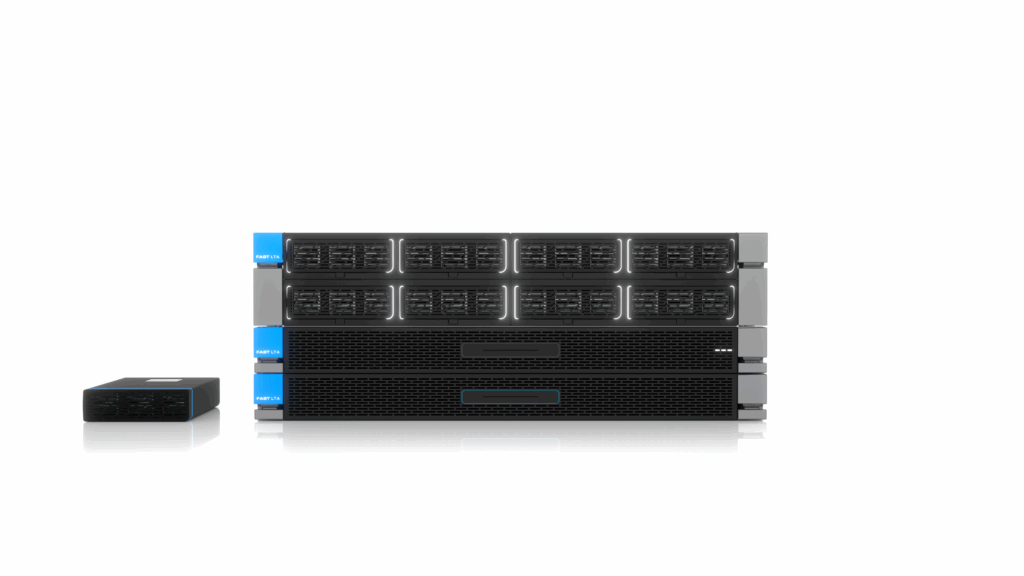
Silent Bricks were developed for organizations that want to better protect backups and keep them recoverable. The solution supports backup, recovery, VTL, air gap, and secure storage for Veeam environments.
By automatically disconnecting backup media, an extra layer of protection against ransomware is created. In combination with immutability, retention, and recovery testing, this helps to better protect critical data.
Silent Bricks are especially suitable for organizations that don’t just want to make backups, but also want to be able to recover when necessary.
Frequently asked questions about air-gap backup
What is an air gap backup?
Air gap backup is a backup copy that is not continuously connected to the network. This makes it harder for ransomware to encrypt, delete, or modify this copy.
What is the difference between air gap and immutable backup?
Air gap is about (physical) separation from the network. Immutable backup is about protection against modification or deletion. Together they help to keep backups better recoverable after ransomware.
Does air gap backup help against ransomware?
Air gaps do not prevent a ransomware attack, but they do help to limit the impact. If production environments or regular backups are hit, an air gapped copy can help with recovery.
Is immutable backup enough?
Immutable backup helps against modification and deletion, but is stronger in combination with air gap, access management, monitoring, and recovery testing. This way you limit multiple risks simultaneously.
How does air gap fit within 3-2-1-1-0 backup?
Within 3-2-1-1-0 backup, the extra 1 often stands for an offline, immutable, or air gapped copy. This increases the chance that a reliable recovery copy is still available after an incident.
Can Silent Bricks be used as an air gap backup solution?
Yes. Silent Bricks support backup, recovery, VTL, and air gap storage. The solution helps organizations to store backups securely and keep them recoverable in case of ransomware, hardware problems, or human error.
What role does air gap backup play in digital sovereignty?
Air gap backup plays an important role in digital sovereignty because you maintain control over how critical data is protected and recovered. It’s not just about where data is located, but also about who has access to backups, which legislation they fall under, and how dependent you are on external cloud platforms during recovery.
With European storage for air gap backup, you keep recovery data closer under your own control. This helps organizations to better manage ransomware recovery, compliance, costs, and continuity.
Discuss your backup and disaster recovery strategy
Do you want to know if your backup environment is also recoverable in case of ransomware, hardware failure, or outages?
Schedule a meeting with one of our experts. We will look at backup, disaster recovery, air gap, immutability, storage infrastructure, and recoverability.
 Subscribe for tips and info