+31 (0)43 30 88 400 | office@comex.eu
Choose European storage and ensure maximum control over your data
Digital sovereignty
Digital sovereignty means that as an organization, you maintain control over where your data is located, who can access it, and which legislation applies to that data. For IT teams, this is becoming increasingly important due to cloud dependency, NIS2, DORA, eEvidence, rising IT costs, and increasing geopolitical pressure.
Backup, archive, recovery, and AI infrastructure form the basis for this. It is precisely there that you determine which data is stored locally, hybrid, or in the cloud, which costs remain predictable, and how quickly you can recover from incidents.
Why digital sovereignty is becoming more important now
Digital sovereignty is no longer a theoretical IT theme. Organizations are becoming increasingly dependent on foreign cloud providers, while legislation, geopolitics, and cyber threats demand demonstrable control over critical data.
With eEvidence, NIS2, and stricter audit obligations, one question is becoming increasingly important: who can access your data, where is that data located, and under which jurisdiction does it fall?
By strategically positioning critical data, organizations make the difference. Not everything has to be in the cloud, and not everything should depend on the same vendor. The choice for European storage determines whether you maintain control, even during incidents, audits, or geopolitical pressure.
We help organizations in the public sector, industry, healthcare, and finance to regain that control. With Zero Loss storage as the foundation for recovery, compliance, and continuity.
The right data, in the right place, under the right jurisdiction.
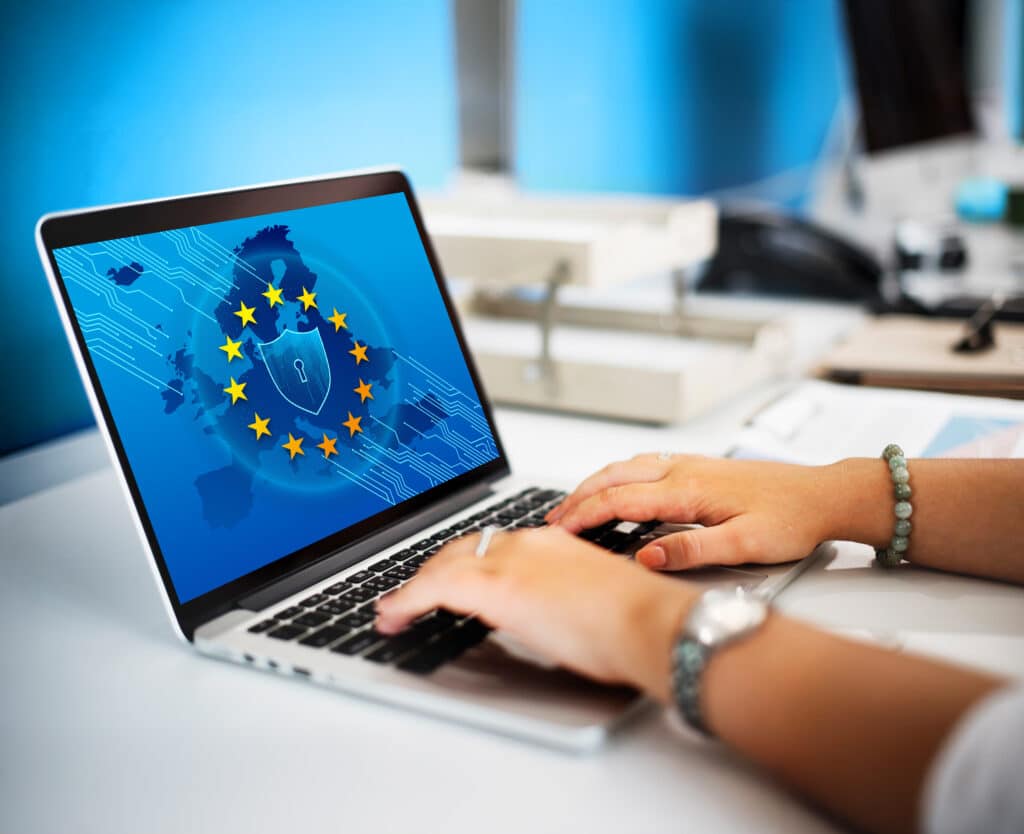
What does digital sovereignty mean in practice?
Digital sovereignty means that, as an organization, you decide where your data is stored, who has access to it, and under what laws and regulations this happens. It’s not just about technology, but about control and trust. Simply put: complete control over your data.
That control is increasingly under pressure. Dependence on foreign cloud providers is increasing, while legislation and geopolitics are imposing stricter requirements. Consider the American CLOUD Act, increasing geopolitical tensions, and concerns about data access and privacy. Digital autonomy is a real strategic issue.
This awareness is also growing in the Netherlands. In 2025, the Dutch House of Representatives called for a national government cloud and the reduction of dependence on American tech companies. At the same time, it is clear that a fully European hyperscale cloud is not a realistic alternative in the short term. Organizations must therefore make choices now within the existing reality.
Digital sovereignty is therefore not about avoiding the cloud, but about the conscious positioning of data. Which data is critical? Which data must never be lost? And which data must remain under European jurisdiction?
Zero Loss, recoverability, and maximum control are central to this.
Digital sovereignty is not just about cloud
Digital sovereignty is often linked to cloud choices, but the practice is much broader. Backups, archives, recovery processes, and AI environments also determine how much control you really have over data, costs, and continuity.
Therefore, do not only look at whether a vendor is European, but also at the position of your data within the entire IT architecture.
- Where is critical data located?
- Who has access to that data?
- Under which jurisdiction does the storage fall?
- Can you recover without dependency on a single vendor?
- Are costs, retention, and availability predictable?
- Can you demonstrate that backup and archive are reliable?
A cloud exit strategy helps to consciously determine which data remains in the cloud and which data is better placed locally, hybrid, or on European storage.
Knowledge articles about digital sovereignty
Whitepaper:
US Cloud ACT, FISA and the Data Privacy Framework
Whitepaper:
Vulnerabilities within the Data Privacy Framework
Whitepaper:
Cloudwashing
Webinar series:
Digital sovereignty
Concrete risks of digital dependency
The risks of digital dependence became concretely visible at the beginning of last year. In May 2025, Microsoft, at the request of the American government, temporarily blocked the mailbox of the chief prosecutor of the International Criminal Court. A European legal body, affected via an American IT supplier.
That moment made one thing clear. Control over data and infrastructure is not a luxury, but a necessity. Organizations that depend on foreign technology and legislation run the risk that access to systems or data will come under pressure. Legally, operationally, or politically.
What happens if access to services, updates, or support is restricted? Or if parts of the infrastructure can no longer be supplied to European customers? This line of thinking is currently playing out in many European organizations.
This reality underlines the importance of European IT solutions that fall within their own jurisdiction. Especially with storage, where critical data is stored for long periods and recoverability is crucial, sovereignty forms the basis.
The impact of digital sovereignty on your organization
For many organizations, data storage seems like an IT issue. In reality, it’s a strategic challenge. Because once you no longer have control over where your data resides or who has access to it, you also lose control over security, availability and compliance.
Without digital sovereignty, you run risks such as:
Inadvertent access by foreign laws (such as the U.S. CLOUD Act and FISA 702)
Difficult or delayed access to critical data during incidents or geopolitical tensions
Dependence on external parties, while your data is crucial for continuity and trust
Failure to comply with European laws and regulations, such as DORA, NIS2 and GDPR
Organizations in the public sector, healthcare, industry and finance work with data that is sensitive, essential or even mission critical. That very data belongs under direct, local control and not in the cloud by default.
Digital sovereignty allows you to store the right data, in the right place, according to the right principles. With safety, availability and autonomy in mind.
The role of storage in digital sovereignty
Digital sovereignty starts with the basics: where and how your data is stored. Because you can design your IT environment all you want, if your storage structure depends on outside parties or foreign laws, you have no real control.
With backups and archives in particular, this risk is often under the radar. While these datasets are crucial for incident recovery, legal evidence or long-term availability. That makes data storage a strategic choice, especially when it comes to sensitive, long-term storage or business-critical data.
Our vision:
- Critical data should remain local or within a hybrid infrastructure
- Classify data before deciding where to store it
- The right storage principles – such as airgap, immutability and Zero Loss – make the difference
A modern, hybrid storage strategy combines the power of the cloud with the security of local storage, preferably developed and produced in Europe. This way you maintain speed, scalability and maximum control.
European storage for backup, archive, and AI
True control over your data starts with the right storage. At Comex, we offer three solutions produced in Europe that help organizations keep their data secure, available, and sovereign. Whether it concerns archiving, backup, or AI, we offer reliable solutions tailored to the specific needs of your organization.
Silent Cubes
For archives that should always be available.
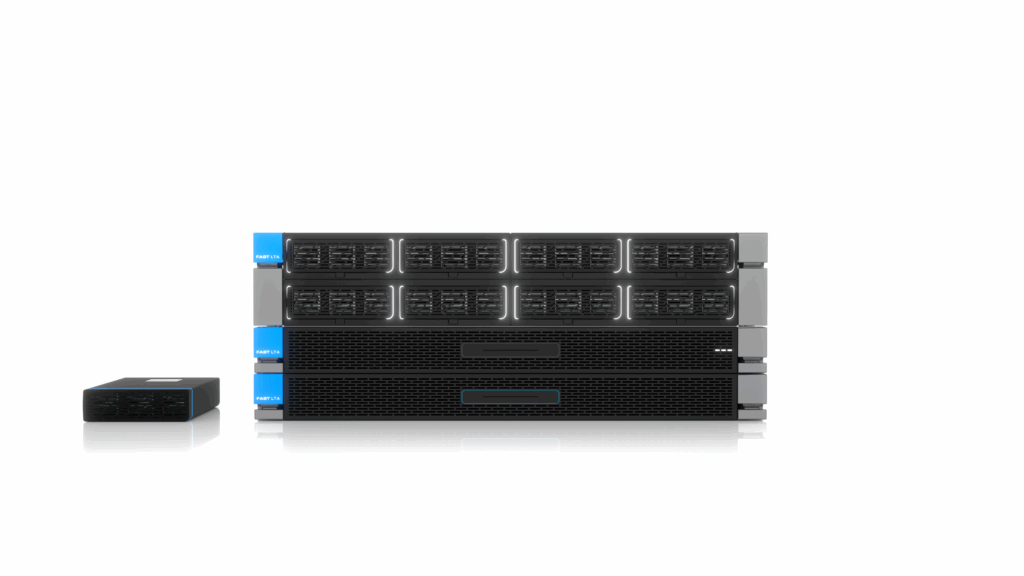
Silent Bricks
For backup and recovery with maximum control and security.
Silent AI ES
For secure Enterprise Search with local AI
Silent AI Pro
For local agentic AI without token costs
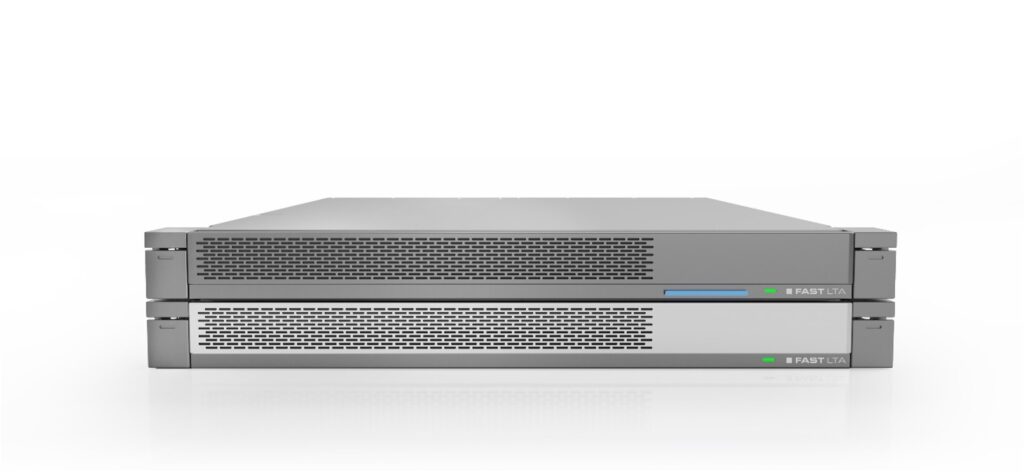


Designed for long-term and secure data archiving. Meets the most stringent compliance requirements and ensures that archives always remain accessible, without data loss and without relying on cloud recovery.
On-prem backup solution focused on speed, reliability and protection against ransomware. Thanks to airgap technology and immutability, Silent Bricks guarantees maximum control and Zero Loss, even in the event of incidents.
Silent AI ES makes internal documents, knowledge bases, and other information sources searchable with generative AI. Employees find relevant information faster, while data remains within your own IT environment and existing access rights are preserved.
Silent AI Pro brings AI agents to your own infrastructure. Tasks and workflows are executed locally, while sensitive data remains under your own control. You work without token costs and maintain full control over data, models, and processes.
The benefits of European storage
- Data protection under European law
No impact from U.S. laws such as the CLOUD Act. Your data remains within EU jurisdiction, which helps with compliance with GDPR, NIS2 and other European frameworks.
- Complete control over your data and infrastructure
No vendor lock-in or dependence on cloud providers. You know where your data is, who has access to it, and how quickly you can recover. Plus, you also know exactly the price you’ll pay for the next 10 years through a transparent service contract. No unexpected price increases, no surprises.
- Independence from geopolitical pressure
With U.S. or Asian suppliers, geopolitical tensions or sanctions can directly impact your access to data, support or delivery time. European storage avoids that risk.
- Local production and delivery
Faster delivery times, no dependence on global supply chains and transparency about where and how your storage is produced.
- Fast and direct support within Europe
Support in your own language, within your time zone, with short lines.
- Security by design
Systems such as FAST LTA provide hardware WORM, airgap functionality and immutability. Designed to European standards for backup and archiving.
- Trust and audit-proof solutions
European storage helps demonstrate compliance, risk control and responsible data management, crucial for audits and IT governance.
Ready to regain control over your data?
Digital sovereignty begins with understanding. Into your risks, your infrastructure and the role storage plays in it. Whether you operate in the public sector, healthcare, industry, finance or beyond, now is the time to approach data issues strategically and take back control.
Take the first step toward data control today. Discover what digital sovereignty means for your infrastructure and choices. Our colleagues are ready to support you with any questions.
Frequently asked questions about digital sovereignty
What does digital sovereignty mean?
Digital sovereignty means that an organization maintains control over where data is located, who has access, and which legislation applies to that data. For IT teams, it is primarily about control over infrastructure, backup, archive, recovery, and AI environments, and the associated risks and costs.
Is a European cloud enough for digital sovereignty?
Not always. A European cloud can help, but digital sovereignty also requires control over backups, archives, access management, recoverability, costs, and vendor dependency.
What is the difference between digital sovereignty and data sovereignty?
Digital sovereignty is about control over the entire digital infrastructure. Data sovereignty focuses more specifically on where data is located, who can access it, and under which jurisdiction that data falls.
What role does storage play in digital sovereignty?
Storage determines where critical data, backups, and archives are stored. Without control over storage, it is more difficult to demonstrate recoverability, compliance, and auditability.
How do you start with digital sovereignty?
Start with data classification. Determine which data is critical, which data must remain under European jurisdiction, and which data can be stored locally, hybrid, or in the cloud.
 Subscribe for tips and info