+31 (0)43 30 88 400 | office@comex.eu
Control over data storage: making digital sovereignty concrete

Many organizations now understand that digital sovereignty is important. The question is no longer why, but how. How do you ensure that you don’t just have insight into your IT landscape, but actually have control? And how do you translate abstract concepts like dependency and risk into concrete choices? In this blog, you will read how to make digital sovereignty measurable.
Digital sovereignty becomes measurable
Digital sovereignty is increasingly being made concrete using frameworks and assessment models. A good example of this is DICTU’s assessment tool for cloud sovereignty. This model helps organizations gain insight into dependencies, data flows, and risks within their IT landscape. It shows that digital sovereignty doesn’t have to be an abstract concept, but something you can systematically analyze and assess. At the same time, such a framework makes something else clear: insight alone is not enough.
Where do you actually need to steer?
In practice, control comes down to a number of interrelated choices. Governance, architecture, and dependencies all play a role, but ultimately much of it converges on one point: data.
Where is your data located?
Who has access to it?
And perhaps the most important question: how quickly can you recover if things go wrong?
It is precisely that last point that often proves to be the tipping point in practice.
Practical solution directions
Organizations choose different ways to implement this, depending on their situation. In many cases, a public cloud such as Azure or AWS is still the most logical choice. Especially for organizations that want to develop quickly, are heavily dependent on integrations, or use modern platform services. In those situations, it is often more efficient and cost-effective to keep data and workloads within a single ecosystem as much as possible.
At the same time, we see that organizations do not want to organize everything in the same way. For example, an organization may consciously choose to keep applications and collaboration entirely in the cloud, but set up data storage and backups differently. For instance, because they do not want to be completely dependent on their cloud provider in the event of an incident.
In sectors such as healthcare or financial services, the requirement to be able to demonstrably recover also plays a major role. An organization must not only be able to recover but also be able to show how that happens and within what timeframe.
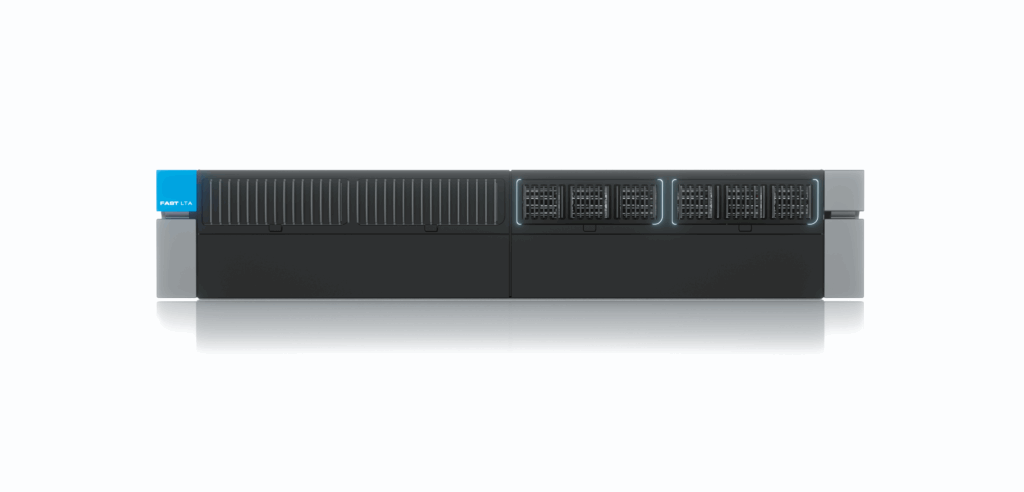
In these types of situations, we see organizations steering more consciously toward control over data storage and recovery. In doing so, they may choose, for example, to organize part of their data outside the primary platform, using solutions such as FAST LTA. This helps to be less dependent on a single vendor, maintain more grip on storage and backups, and make recovery predictable and demonstrable.
At the same time, the right choice always depends on the context. For some organizations, maximum integration and speed are leading; for others, it is control and independence.
From thinking to doing
Ultimately, digital sovereignty does not require a single solution, but conscious choices that fit your organization. The organizations leading the way in this are not necessarily those with the latest technology, but those that can explain, substantiate, and manage their choices.
From insight to concrete implementation
On Tuesday, May 12, from 1:30 PM to 2:30 PM, we are hosting a webinar showing how organizations translate digital sovereignty into concrete choices in their IT architecture.
This webinar is particularly relevant for CIOs, CISOs, IT managers, and architects within organizations where IT is business-critical and where questions arise regarding vendor lock-in, compliance requirements, and the continuity of data and systems.
We will discuss how digital sovereignty becomes practical in your IT landscape, where organizations lose control in practice, and which choices are necessary to gain a grip on data storage and recovery capacity. We will also show how organizations implement this concretely, including with FAST LTA—a solution that can be a great fit in situations where control, recoverability, and independence are central.
Register for the webinar and gain insight into the choices your organization needs to make
Ga voor lokaal!
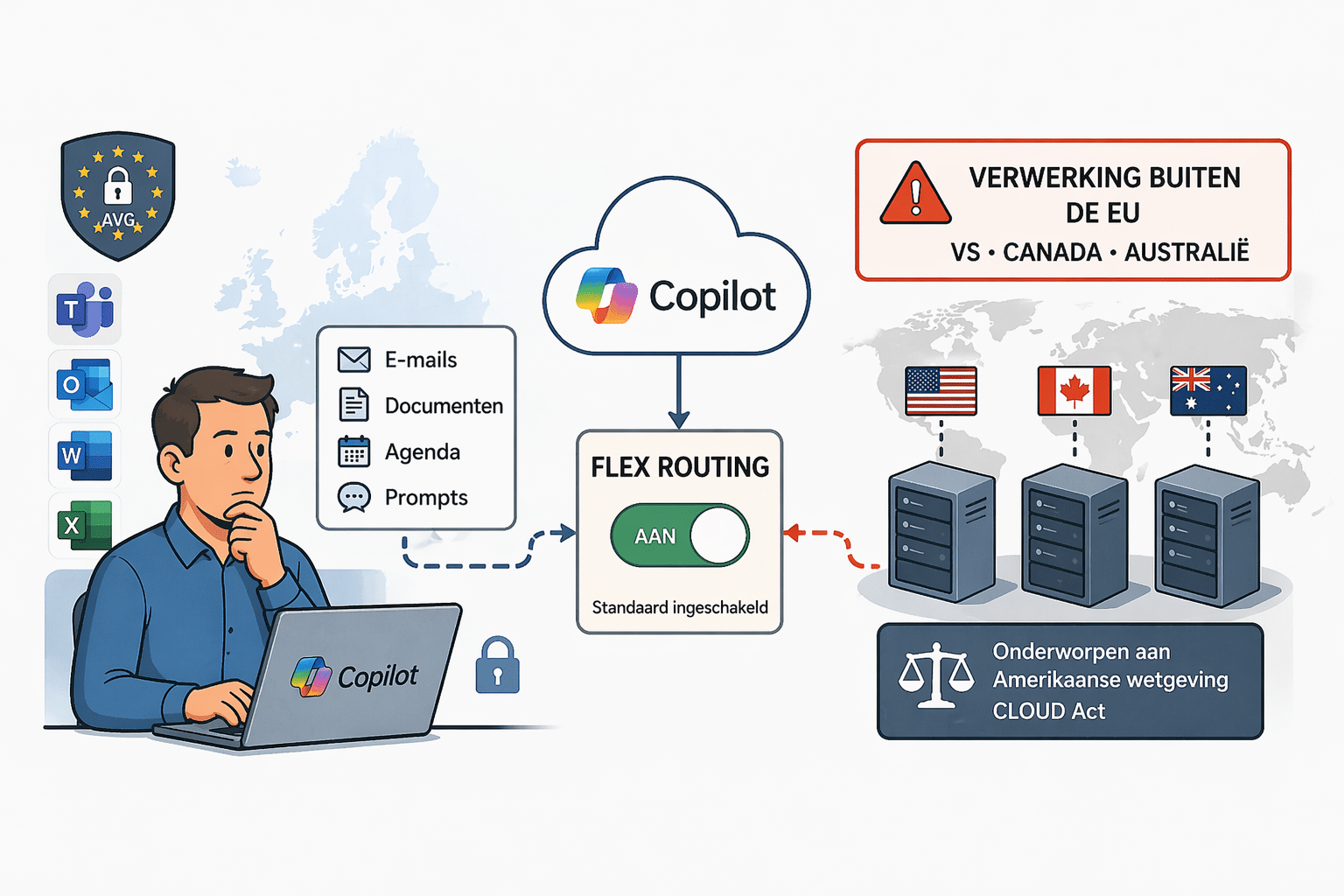
Met lokale AI houd je volledige controle over je data en verwerking. Alles blijft binnen je eigen infrastructuur, zonder afhankelijkheid van externe datacenters of wisselende jurisdicties. Dat maakt het eenvoudiger om te voldoen aan AVG en interne compliance eisen. Je voorkomt dat gevoelige prompts of documenten buiten je zicht worden verwerkt. En je bouwt een AI fundering die past bij organisaties waar controle en continuiteit voorop staan.
 Subscribe for tips and info