+31 (0)43 30 88 400 | office@comex.eu
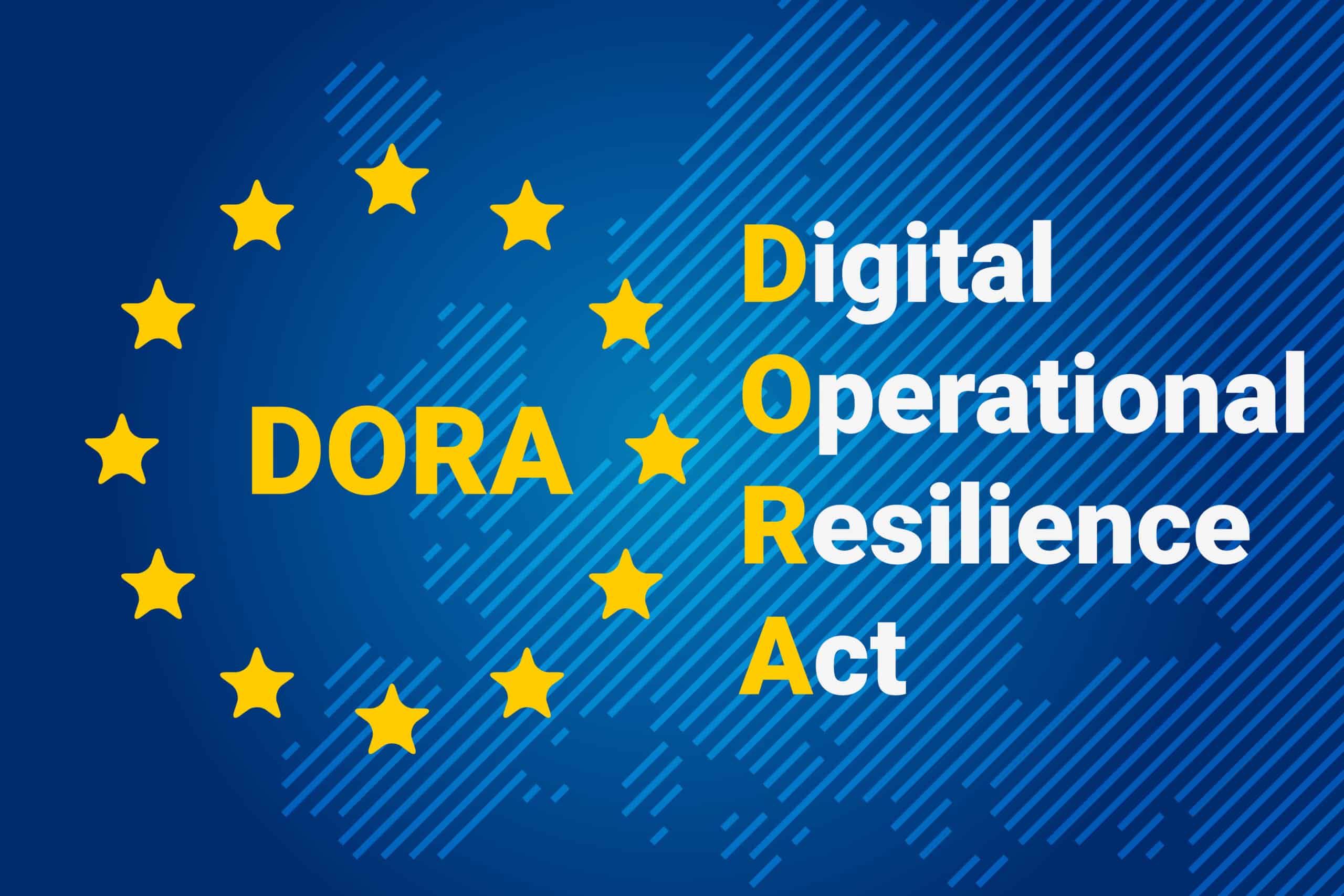
DORA and data storage: backup, archive, and control

DORA is not just about policies, reports, and supplier contracts. For financial organizations, digital operational resilience also directly impacts data storage.
Because what happens if systems fail? Are backups recoverable? Is archive data reliably available? Can you demonstrate where critical data is located, who can access it, and how dependent you are on external ICT providers?
For DORA compliance, data storage must contribute to continuity, control, and demonstrability. This makes backup, recovery, archiving, and digital sovereignty more important than ever.
Why data storage is important within DORA
DORA focuses on digital operational resilience. This means financial organizations must be prepared for ICT disruptions and be able to limit their impact.
Data storage plays a practical role in this. Critical data must remain available, be stored securely, and be recoverable when systems, applications, or providers do not function as expected.
This involves more than just primary storage. Specifically, backup data, archive data, recovery data, and sensitive corporate data are vital for continuity and compliance.
DORA requires control over ICT risks
ICT risks do not only arise in applications or networks. They are also found in the way data is stored, protected, and recovered.
For data storage, this means you need insight into questions such as:
- where is critical data located?
- who has access to this data?
- how is data protected against modification or loss?
- how quickly can data be recovered?
- which providers are involved?
- how dependent is the organization on a single platform?
- is recovery tested and demonstrable?
Without these answers, data storage remains just a technical layer. Within DORA, data storage must be part of ICT risk management.
Backup and recovery under DORA
Backup and recovery are essential for digital operational resilience. An organization must not only create backups but also be able to restore them when necessary.
This requires more than just storage capacity. You must know if backups are protected, how quickly recovery can take place, and how much data loss is acceptable.
Key questions include:
- are backups separated from production environments?
- are backups protected against ransomware?
- are recovery processes tested?
- are RTO and RPO defined?
- is it clear who is responsible during recovery?
- can recovery take place if a cloud platform or provider is unavailable?
Backup and recovery thus become part of broader DORA compliance.
Ransomware recovery and recoverability
Ransomware is a concrete scenario where storage directly impacts operational resilience. If production environments and backups are encrypted or deleted, recovery is jeopardized.
Therefore, ransomware recovery must be part of the storage strategy. You want to be able to demonstrate that a reliable recovery copy remains available, even when regular systems are hit.
Measures such as air gap backup, immutable backup, segregated access rights, and recovery testing help strengthen that recoverability.
Compliant archiving within DORA
DORA is not just about recovering after incidents. Financial organizations must also be able to store and retrieve information reliably.
This is why compliant archiving is relevant. Archive data must remain secure, findable, auditable, and demonstrably reliable. Especially when data is needed for audits, reports, customer files, transactions, research, or legal substantiation.
Archive data has different requirements than backup data. Backup is about recovery. Archiving is about retention periods, integrity, findability, and demonstrability.
WORM storage for reliable archive data
WORM storage can help store archive data in a demonstrably unchangeable way. WORM stands for Write Once, Read Many. Data is stored once and can then be read many times, but cannot be easily modified or deleted.
For financial organizations, this can be important for documents, files, reports, transaction data, and other information that must remain reliably available.
WORM storage thus supports an archiving strategy where integrity, retention, and auditability are central.
Data storage and supplier dependency
A key part of DORA is maintaining control over third-party ICT risks. For data storage, this means organizations must know which external providers are involved in storage, backup, recovery, archiving, and cloud environments.
Supplier dependency can create risks in the areas of:
- availability
- costs
- jurisdiction
- support
- contract terms
- data migration
- exit options
- recovery during incidents
Therefore, it is wise to look not only at where data is today, but also at how easily data can be moved, recovered, or brought under your own control.
Digital sovereignty as part of control
Digital sovereignty aligns well with the issues behind DORA. Organizations want to know where data is located, who has access, which legislation applies to the data, and how dependent they are on external platforms.
For financial organizations, this is extra important for critical data, backups, archives, and AI applications.
European storage can help keep data, service, support, and infrastructure more closely under your own control. This makes digital sovereignty not a separate theme, but a practical part of risk management.
The role of local AI in DORA compliance
AI is increasingly used for knowledge management, document analysis, internal search queries, and process support. But when AI is used with sensitive corporate data, new questions arise regarding data processing, access management, and supplier dependency.
Local AI or off-cloud AI can help keep sensitive data within a controlled environment. Employees can use AI with internal documents and knowledge sources without data being unnecessarily sent to public AI services.
For DORA compliance, it is especially important that AI does not fall outside of governance, security, and ICT risk management.
How Silent Bricks helps with backup and recovery
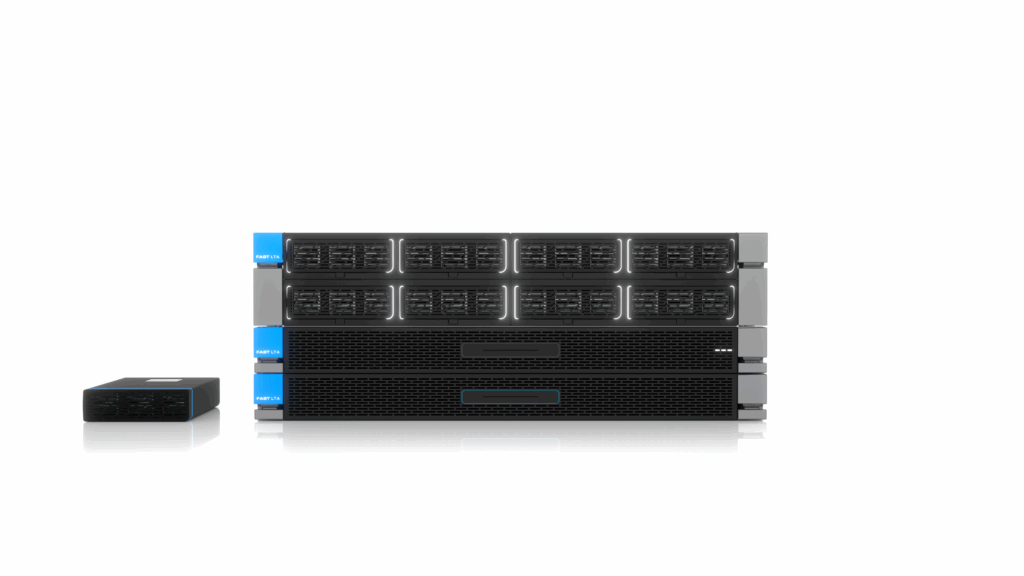
Silent Bricks help organizations store backups securely and keep them recoverable. The solution is suitable for backup, recovery, VTL, air gap storage, and Veeam environments.
For DORA, Silent Bricks can contribute to better recoverability, protection against ransomware, and control over backup data.
This makes Silent Bricks suitable for organizations that want to set up backup and recovery not just technically, but also with demonstrable substantiation.
How Silent Cubes helps with compliant archiving
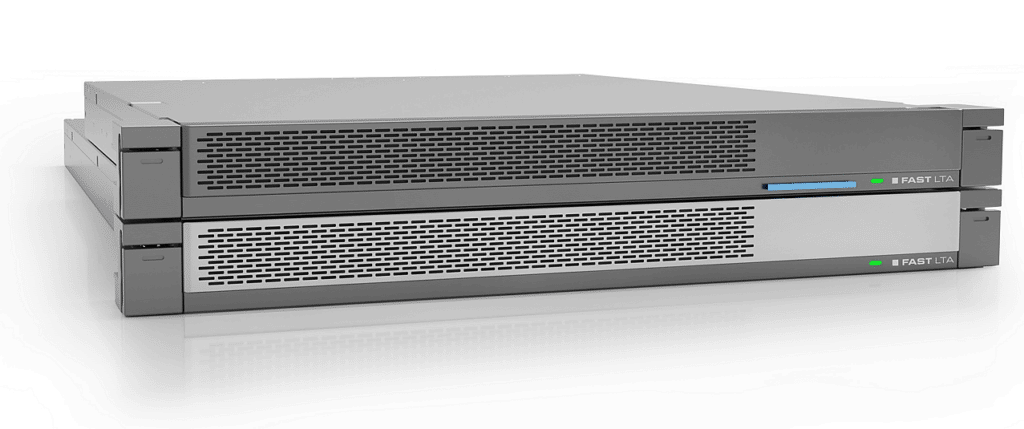
Silent Cubes was developed for organizations that want to store data for the long term, securely, and in a demonstrably immutable way.
With hardware WORM storage, digital auditing, and protection against modification or deletion, Silent Cubes helps with compliant archiving. This is relevant for financial organizations that must keep archive data auditable, reliable, and available long-term.
Silent Cubes thus fits within a broader DORA approach for archiving, retention, and demonstrability.
How Silent AI helps with local AI using sensitive data
Silent AI helps organizations use generative AI locally with their own data. The solution runs within a controlled environment and takes existing permissions management into account.
For financial organizations, this can help better manage AI applications. Sensitive corporate data does not need to be sent to public AI platforms, while employees can still work with internal knowledge sources.
Silent AI thus supports a more secure and better-controlled deployment of AI within broader DORA compliance.
What must you be able to demonstrate regarding data storage?
For DORA, demonstrability is key. Organizations must not only take measures but also be able to show how those measures work.
Regarding data storage, you should at least be able to demonstrate:
- where critical data is located
- which data is subject to backup, archiving, or retention
- who has access to critical data
- how backups are protected
- how recovery is tested
- which RTO and RPO apply
- how archive data is stored unchangeably
- which providers are involved
- what exit options exist
- how AI applications handle sensitive data
This makes data storage a strategic part of digital operational resilience.
Frequently asked questions about DORA and data storage
Why is data storage important for DORA?
Data storage is important for DORA because critical data must remain available, recoverable, and auditable during ICT disruptions. Backup, recovery, archiving, and access management play a practical role in this.
What does DORA mean for backup and recovery?
DORA requires demonstrable digital resilience. For backup and recovery, this means organizations must know which data is recoverable, how quickly recovery can take place, and whether backups are protected against ransomware or outages.
Is compliant archiving part of DORA?
Compliant archiving can contribute to DORA compliance when archive data must remain reliably, findably, and demonstrably unchangeably available. This is particularly relevant for audits, reports, and data with long retention periods.
What role does WORM storage play in DORA?
WORM storage helps store archive data unchangeably. This supports demonstrability, data integrity, and reliable long-term archiving.
How does DORA relate to digital sovereignty?
DORA requires control over ICT risks, suppliers, and continuity. Digital sovereignty helps organizations maintain more control over where data is located, who has access, and how dependent they are on external platforms.
How can local AI contribute to DORA compliance?
Local AI can help when financial organizations want to use AI with sensitive corporate data. By running AI within a controlled environment, data remains better under your own control and dependency on public AI platforms is limited.
How do Silent Bricks, Silent Cubes, and Silent AI help with DORA?
Silent Bricks helps with backup and recovery. Silent Cubes helps with compliant archiving using hardware WORM storage. Silent AI helps with local AI using sensitive corporate data. Together, these solutions support control, recoverability, and demonstrability within a broader DORA approach.
Want to know more about DORA and secure data storage?
DORA requires demonstrable digital operational resilience. Data storage plays a major role in this, from backup and recovery to archiving, digital sovereignty, and local AI.
Read more about DORA compliance or schedule a meeting with one of our experts. We can look at backup, archiving, recovery, AI, and control over critical data.
 Subscribe for tips and info